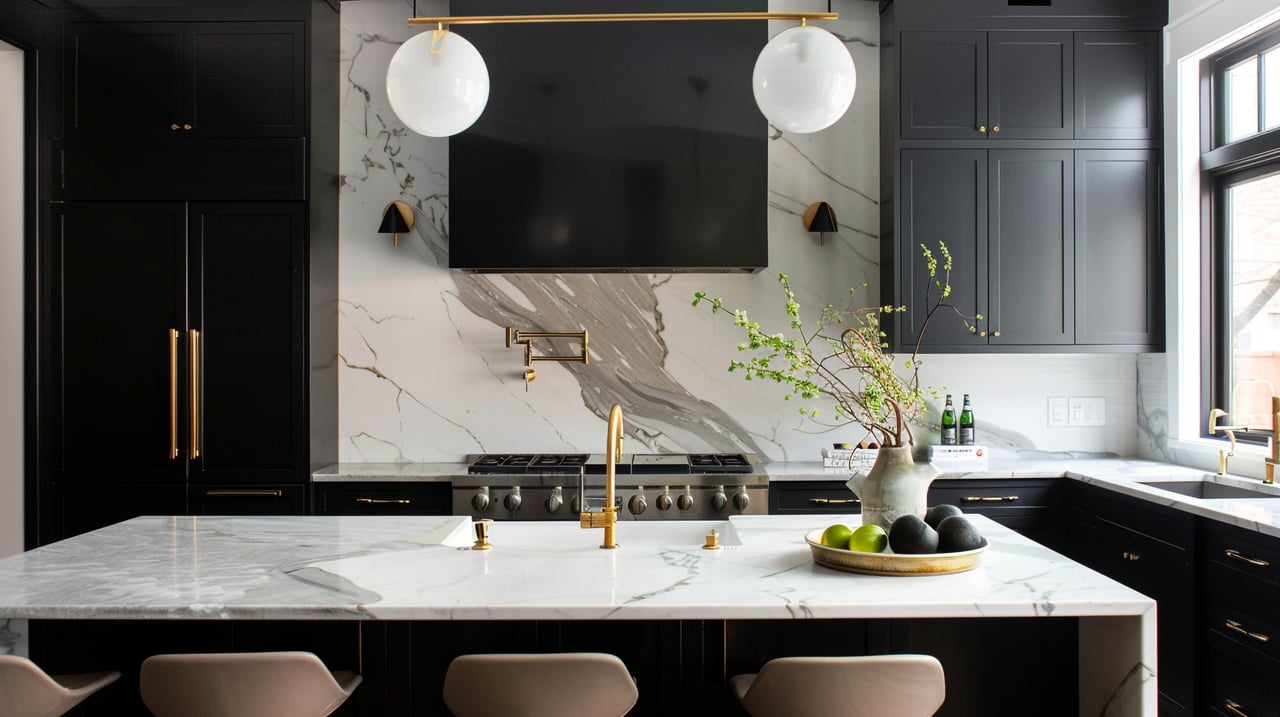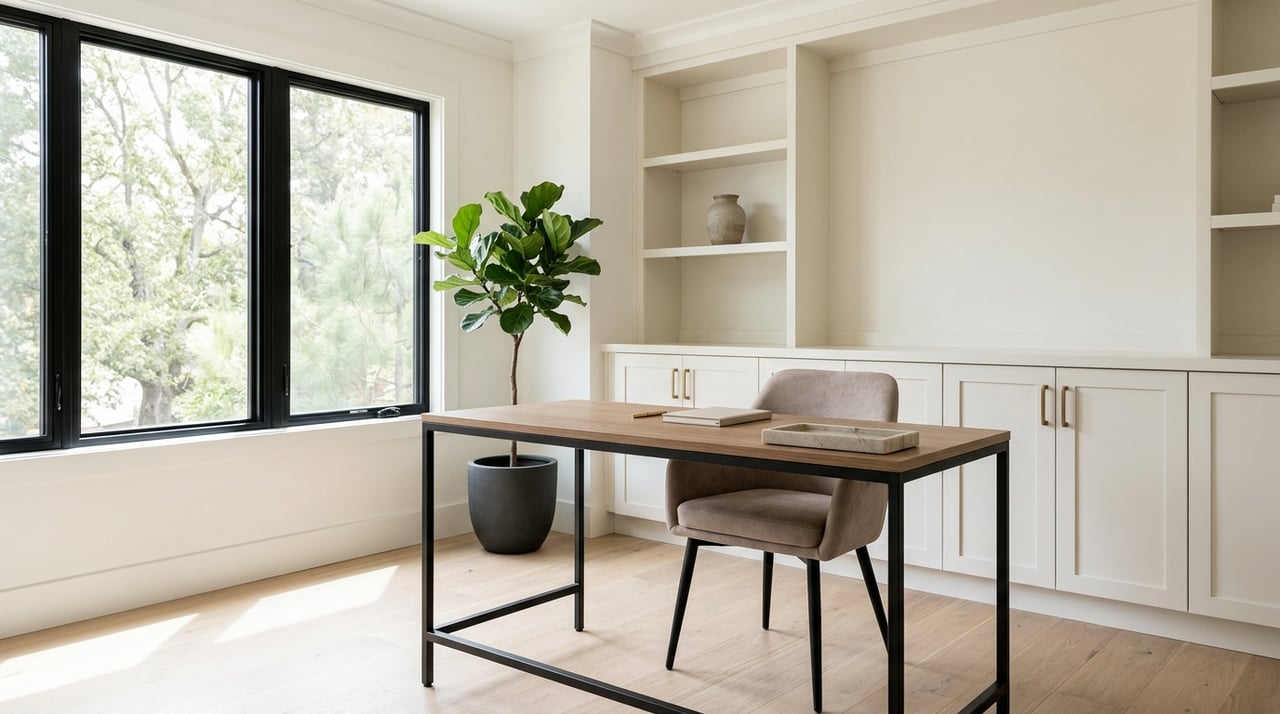
If your East Brainerd home is about to hit the market, one question matters more than almost any other: will buyers feel drawn in right away, or will they keep scrolling? In a market with more choices on the table, your home does not need a huge remodel to stand out, but it does need to feel clean, cared for, and easy to picture living in. The good news is that smart preparation often beats expensive preparation. Let’s dive in.
Why prep matters in East Brainerd
East Brainerd has grown into a major residential and retail corridor, with a mix of established subdivisions and newer development. That means buyers may compare your home to a wide range of options, from homes with more recent finishes to properties that already look move-in ready.
Recent local market data also shows East Brainerd as a buyer’s market. In March and April 2026, Realtor.com reported 139 homes for sale, a median listing price of $420,000, a median sold price of $429,900, median days on market of 48, and homes selling for about 1.57% below asking on average. In that kind of setting, presentation matters.
When buyers have choices, they notice the details. A home that feels bright, clean, and well maintained can make a stronger first impression than one with more square footage but obvious distractions or unfinished to-dos.
Start with what buyers notice first
Before you think about upgrades, focus on the basics that shape a buyer’s first impression online and in person. National staging research shows that the most commonly recommended pre-listing steps include decluttering, full-home cleaning, curb appeal improvements, professional photos, minor repairs, carpet cleaning, depersonalizing, paint touch-ups, landscaping, re-grouting tile, and removing pets during showings.
That list matters because it lines up with how buyers actually shop. Most buyers begin online, and staged homes are more likely to get showing interest after buyers see the photos.
For most East Brainerd sellers, the best order is simple:
- Clean and declutter
- Depersonalize the space
- Fix visible issues
- Refresh the areas that shape first impressions
- Photograph the home well
This approach helps you spend where it counts most. It also keeps you from sinking time and money into projects buyers may not value.
Declutter before you do anything else
Decluttering is not just about tidiness. It helps your home feel bigger, calmer, and easier for buyers to understand.
Start by removing anything that makes a room feel crowded or too personal. Extra furniture, countertop appliances, piles of mail, family photos, bold collections, and overflowing closets can all distract from the home itself.
As you work room by room, ask one question: does this item help the space show better? If the answer is no, pack it, store it, or remove it.
A lighter, simpler look also helps your listing photos. Since many buyers will first meet your home on a screen, visual clarity can directly affect whether they decide to schedule a showing.
Clean like you are opening for guests
A clean home sends a strong message that the property has been cared for. It does not need to feel perfect, but it should feel fresh.
Give extra attention to floors, baseboards, kitchen surfaces, bathrooms, light fixtures, mirrors, windows, and high-touch areas. If carpet is stained or dingy, professional carpet cleaning is often a smart pre-list step.
Do not overlook smells. Pet odors, cooking smells, and mustiness can linger longer than you think. Neutral air, clean surfaces, and fresh linens can go a long way.
Fix the small issues buyers assume mean bigger ones
Minor problems can create major doubt. A dripping faucet, chipped paint, loose hardware, cracked caulk, sticking door, or burned-out light bulb may seem small, but buyers often read those signs as deferred maintenance.
That is why visible repairs are usually worth doing before you list. They help reduce buyer hesitation and keep attention on the home’s strengths.
Focus first on issues that are easy to see during a showing, including:
- Wall scuffs and paint touch-ups
- Loose knobs, handles, or hinges
- Leaky faucets
- Cracked or stained caulk
- Missing outlet covers
- Damaged grout
- Squeaky or dragging doors
- Burned-out bulbs
If your budget is limited, these types of repairs usually offer better value than taking on a large remodel right before listing.
Refresh, but do not over-improve
In a market where buyers have options, cosmetic updates can help, but not every project will pay off. The goal is to improve first impressions, not chase every trend.
Fresh paint touch-ups or repainting in a simple, neutral style can make a home feel brighter and more current. Re-grouting tile, cleaning up worn areas, and improving landscaping can also make a noticeable difference without turning into a full renovation.
If you are deciding between several possible projects, prioritize the ones buyers will see immediately. In most cases, that means your exterior, main living spaces, and kitchen matter more than secondary rooms.
Focus staging where it counts most
You do not have to stage every room to make an impact. In fact, the strongest visual payoff tends to come from a handful of key spaces.
According to NAR’s 2025 staging research, the rooms staged most often were the living room, primary bedroom, dining room, kitchen, and outdoor spaces. Those are also the areas that tend to shape first impressions in photos and showings.
If your budget is tight, start there. A well-styled living room, a calm primary bedroom, a clean kitchen, and a tidy front or back outdoor area can do more for your listing than decorating every spare bedroom.
Staging also helps buyers connect emotionally with the home. NAR reported that 83% of buyers’ agents said staging made it easier for buyers to visualize the property as a future home, and about half said staged homes tended to sell more quickly.
What “enough” staging looks like
Many sellers hear the word staging and assume it means renting a truckload of furniture. Sometimes it can be that involved, but often it means editing, rearranging, and styling what you already have.
Enough staging usually means:
- Furniture is scaled correctly for the room
- Walkways are open and easy to follow
- Surfaces are mostly clear
- Lighting feels warm and balanced
- Bedding and towels look simple and fresh
- Decor is minimal and neutral
- Outdoor spaces look usable and inviting
NAR’s 2025 data offers a useful budget reference point. The median spend on a staging service was $1,500, while the median cost was $500 when the sellers’ agent personally staged the home.
That makes staging flexible. You may not need full-service staging if your home already shows well and just needs selective styling.
Curb appeal still sets the tone
Buyers start forming opinions before they walk through the front door. That makes exterior presentation one of the smartest places to focus your time.
Simple curb appeal work can include mowing, edging, trimming shrubs, mulching beds, sweeping porches, pressure washing dirty surfaces, and making sure the front door area looks polished. Clean house numbers, a tidy entry, and healthy-looking landscaping can make your home feel more cared for from the start.
In East Brainerd, where homes may sit among both older and newer properties, exterior upkeep can help signal value right away. It also improves the online photos that get buyers in the door.
Know what to skip on a tight budget
Not every seller needs to replace cabinets, redo bathrooms, or start a major interior project. If you want the best return on effort, skip expensive changes unless they solve an obvious condition issue.
In many cases, you can skip or delay:
- Trend-driven remodels
- Full room renovations right before listing
- Upgrades to low-visibility spaces
- Highly personalized design changes
- Large projects with long timelines
If a bigger project does not clearly improve condition, function, or first impressions, it may not be the best use of your money before a sale.
Be careful with permits and contractors
Some pre-list projects are simple. Others may trigger permit or licensing requirements, especially if they move beyond surface-level cosmetic work.
In Chattanooga, a residential modification permit can apply to work such as re-roofing, window replacement, exterior doors, siding replacement, deck replacement, porch repair, and interior remodel work that does not change the footprint. If you are considering that kind of project, it is wise to check requirements before work begins.
Tennessee also has contractor licensing rules that matter. A contractor’s license is required for projects of $25,000 or more, and Hamilton County requires a Home Improvement license for residential remodeling projects from $3,000 to less than $25,000.
If your home was built before 1978 and a project will disturb painted surfaces, paid contractors must be certified and use lead-safe work practices under EPA rules. That is especially important for sanding, scraping, or other work that affects older paint.
Choose contractors with clarity
If you hire help before listing, keep the process simple and documented. The safest path is to get multiple written estimates and make sure the scope is clear.
You should also verify license and insurance, and use a contract that spells out the materials, timeline, total price, and work to be completed. This protects you from delays, misunderstandings, and rushed decisions during an already busy season.
For many sellers, the best strategy is to keep projects small, visible, and fast-moving unless a larger repair solves a real condition issue. That keeps your timeline intact and helps you avoid overcomplicating your path to market.
A practical East Brainerd prep plan
If you want a straightforward approach, this is a smart order to follow before listing:
Week one: simplify and clean
- Declutter every room
- Pack personal photos and extra decor
- Clear closets and storage areas
- Deep clean the home
- Address odors and pet-related items
Week two: repair and refresh
- Make minor visible repairs
- Touch up paint and caulk
- Clean carpet or flooring
- Re-grout tile if needed
- Update basic landscaping and entry appearance
Week three: stage and photograph
- Focus on the living room, kitchen, primary bedroom, dining area, and outdoor space
- Remove excess furniture if needed
- Improve lighting and layout
- Prepare the home for professional photos
This kind of plan helps you stay focused on what buyers will actually see and respond to.
Why expert guidance matters
Preparing a home for sale is not just about making it look nice. It is about knowing which updates will help, which ones can wait, and how to avoid spending money in the wrong places.
That is where experienced local advice can make a real difference, especially in a market like East Brainerd where buyers have options. A team that understands both market positioning and home condition can help you make practical decisions with more confidence.
If you are getting ready to sell in East Brainerd, Trish Savage can help you sort out what is worth doing, what to skip, and how to prepare your home to stand out without overdoing it.
FAQs
What repairs are worth doing before listing a home in East Brainerd?
- The best repairs are usually visible, affordable items that affect first impressions, such as paint touch-ups, caulk repairs, loose hardware, leaking faucets, damaged grout, and lighting fixes.
What home improvements can East Brainerd sellers skip if the budget is tight?
- You can often skip major remodels, trend-based upgrades, and work in low-visibility rooms unless the project solves an obvious condition or maintenance issue.
How much staging is enough for an East Brainerd home sale?
- In many cases, enough staging means decluttering, improving furniture layout, simplifying decor, and focusing on key spaces like the living room, primary bedroom, kitchen, dining area, and outdoor areas.
Do I need a permit for pre-listing work in Chattanooga?
- You may need a residential modification permit for projects such as re-roofing, window replacement, exterior doors, siding replacement, deck replacement, porch repair, or certain interior remodel work that does not change the footprint.
When should East Brainerd sellers hire a licensed contractor?
- In Tennessee, a contractor’s license is required for projects of $25,000 or more, and Hamilton County requires a Home Improvement license for residential remodeling projects from $3,000 to less than $25,000.
What should sellers do before hiring a contractor for listing prep?
- Get multiple written estimates, verify license and insurance, and use a written contract that clearly states the work, materials, price, and completion timeline.